AI · 5 min read
How AI is changing scientific discovery
The bottleneck moved from hypothesis to verification.
Prediction arrived first
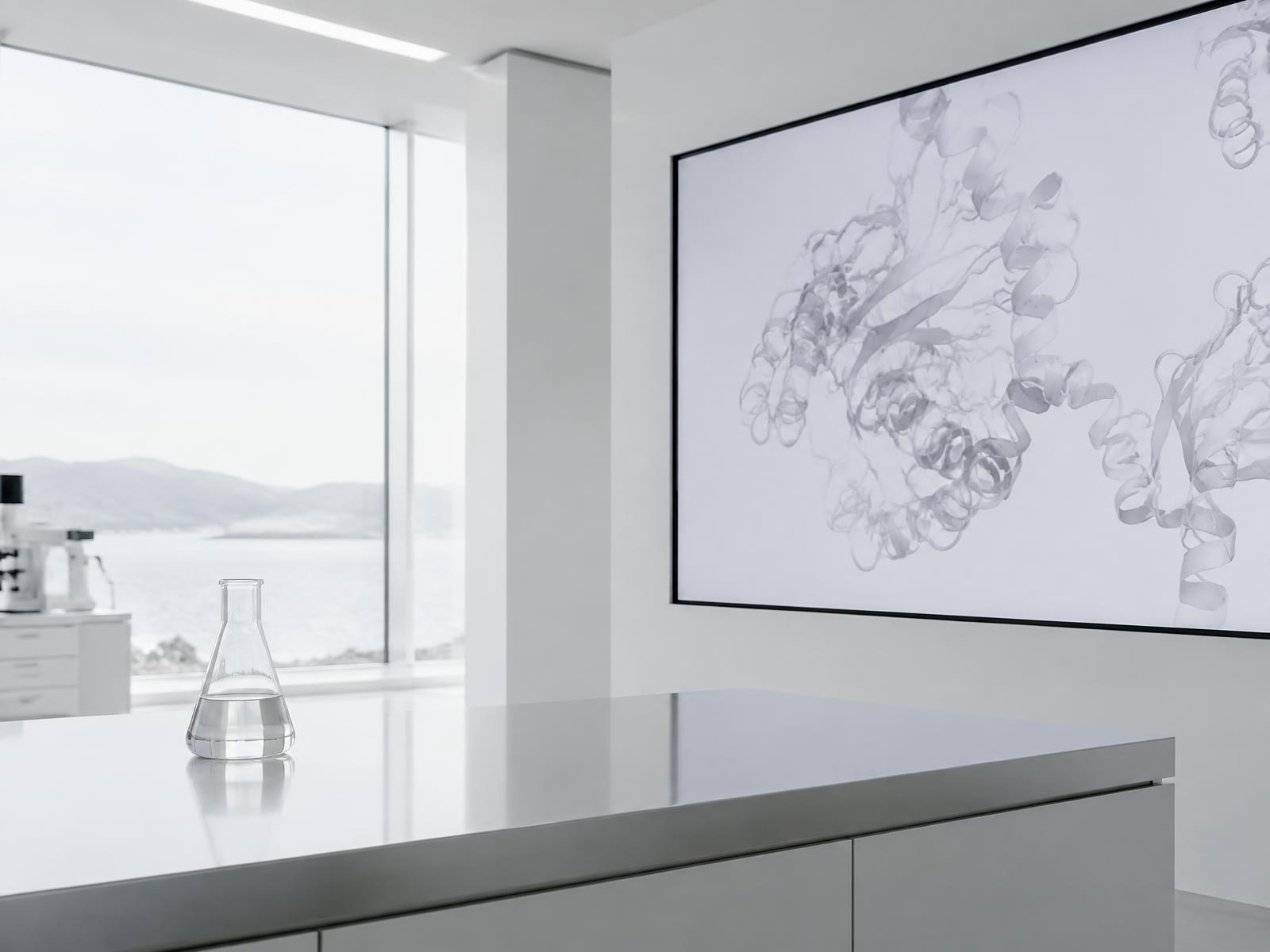
Structure prediction showed that a well-posed scientific question with enough data can be answered by a model faster than by a laboratory. That pattern is now being repeated in materials, chemistry and climate.
200M+
Protein structures released in open prediction databases
Generation is harder than it looks
Models can propose candidate molecules or materials endlessly. The scarce resource is experimental time, which is why self-driving laboratories matter more than larger models.
A hypothesis costs nothing now. An experiment costs exactly what it always did.
What has to be kept
Reproducibility, provenance and published negative results. Accelerating discovery without them accelerates noise.